How to Identify Hidden Leaks in Your Home
Hidden leaks can cause significant damage to your home and lead to higher utility bills. Understanding how to identify these leaks early can save you time and money, while also protecting your property. In this article, we'll cover effective methods and tips to help you detect hidden leaks.
Understanding the Basics of Hidden Leaks
According to industry experts, a hidden leak typically refers to water that escapes from pipes or fixtures that are not immediately visible. These leaks often occur in places like walls, ceilings, or under floors, where moisture can accumulate unnoticed. The principle behind detecting these leaks is to identify symptoms such as unexpected increases in water bills or damp spots.

"Detecting hidden leaks early is crucial to preventing costly repairs and extensive damage." - Plumbing Industry Expert
Signs of Potential Hidden Leaks
- Increased Water Bills: If you notice a sudden spike in your water bill, this could indicate a leak. Studies show that even small leaks can lead to significant increases in consumption.
- Damp Spots: Look for water stains on walls, ceilings, or floors. These stains can often be a sign of leaks originating from hidden pipes.
- Sound of Running Water: If you hear water running when no faucets are turned on, this may suggest a leak within the plumbing system.
Methods to Detect Hidden Leaks
There are several reliable methods you can use to check for hidden leaks:
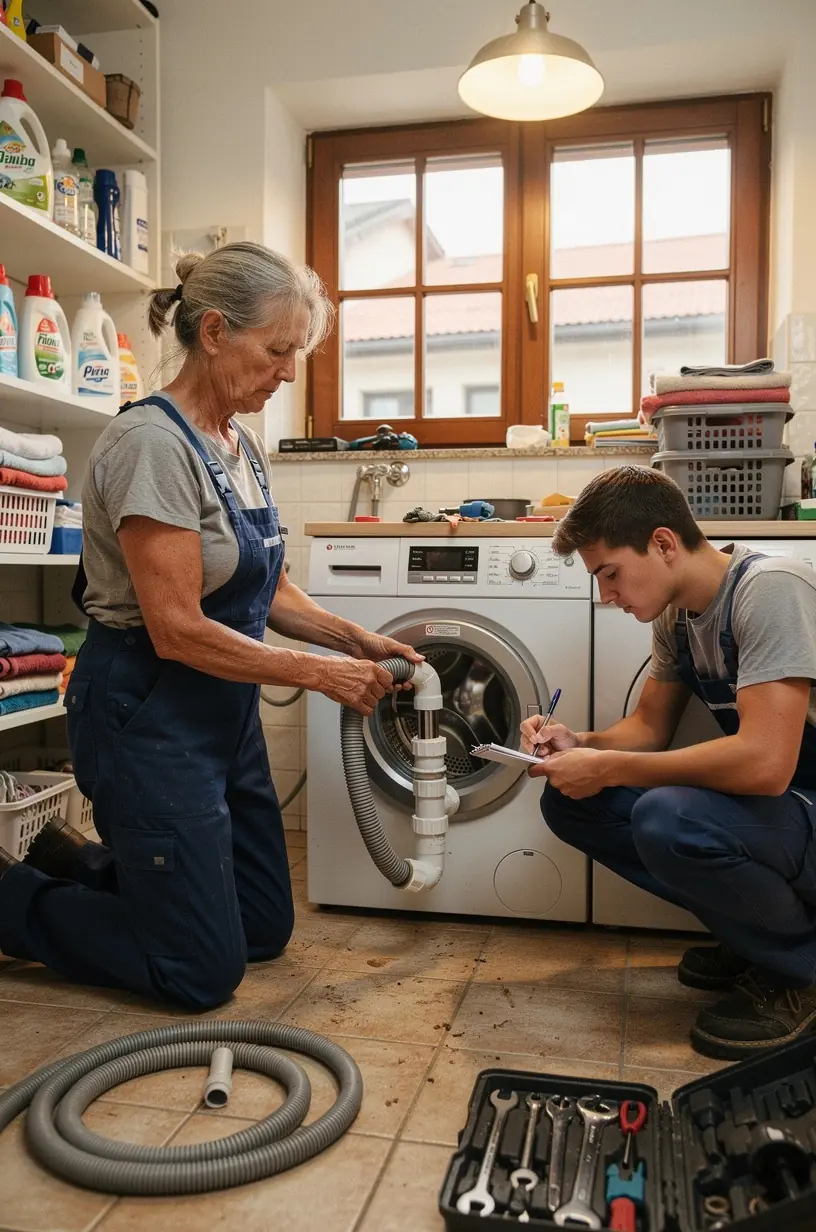
- Visual Inspection: Regularly inspect areas around appliances (like dishwashers and fridges), under sinks, and near water heaters for signs of moisture.
- Water Meter Test: Check your water meter before and after a period when no water is being used. If the meter has moved, a leak may be present.
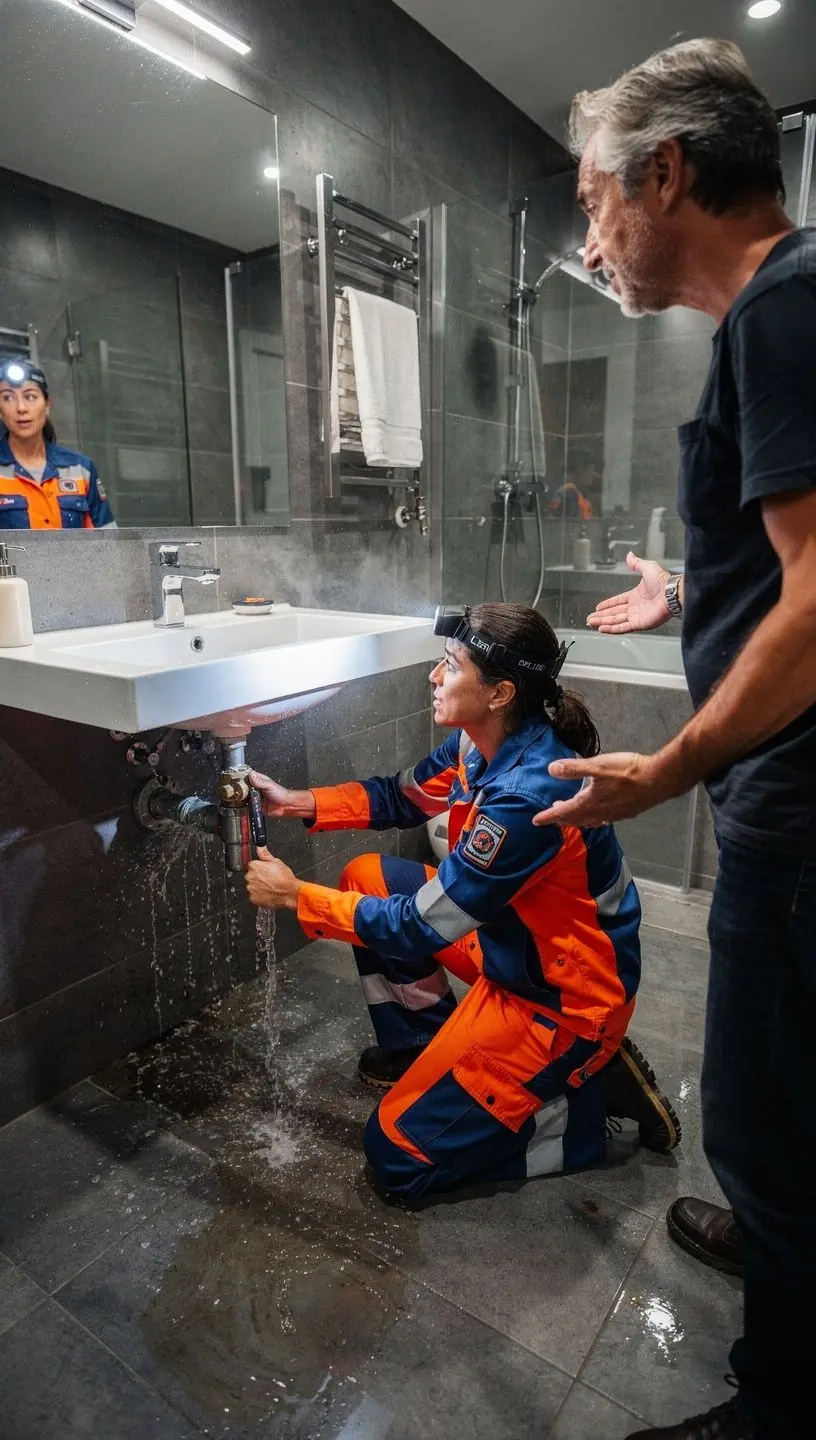
- Professional Leak Detection: If you suspect a leak but can't find it, hiring a professional plumber can be an effective solution. They use specialized tools and techniques, such as thermal imaging and acoustic detection, to locate hidden leaks.
Conclusion
Identifying hidden leaks in your home can prevent extensive damage and save you money on repairs. Taking proactive steps to regularly monitor your plumbing system, watching for signs of leaks, and utilizing effective detection methods can greatly reduce your risk. While some methods can be done on your own, consulting a professional plumber is recommended when in doubt. Remember, the sooner you address a leak, the less costly it may be to repair.