How Seasonal Changes Affect Your Plumbing System
Understanding how seasonal changes can impact your plumbing system is crucial for maintaining its efficiency and avoiding costly repairs. This article will explore the various ways that temperature shifts and weather conditions can affect plumbing systems, especially in residential properties.
Understanding Temperature Effects
As the seasons change, so do the temperatures. According to experts, extreme cold weather can lead to frozen pipes, which may burst if not addressed promptly. The risk of pipe freezing typically occurs when temperatures drop below zero degrees Celsius, particularly in unheated areas of a home. To mitigate this risk, it is advisable to insulate pipes in vulnerable locations, such as basements and attics.
"Preventing frozen pipes is often easier and more cost-effective than dealing with the aftermath of a burst pipe." - Plumbing Expert
Impact of Rain and Humidity
Heavy rain and increased humidity can also affect plumbing systems. Research indicates that excessive moisture can lead to pipe corrosion and mold growth in areas with high humidity. Homeowners should be aware of their plumbing's condition during rainy seasons, as standing water can create pressure on sewer lines, potentially leading to blockages.
Signs of Potential Issues
- Unusual dampness or water stains on walls and ceilings
- Slow drainage or frequent clogs in plumbing fixtures
- Unpleasant odors emanating from drains
Spring and Fall Considerations
During spring and fall, homeowners often engage in maintenance tasks that can impact plumbing. These seasons typically see a surge in home improvement projects, which may inadvertently affect plumbing systems. According to industry standards, when undertaking renovations, it is vital to consult with professionals to ensure that plumbing modifications adhere to local regulations and do not compromise existing systems.
Recommended Maintenance Practices
- Inspect and clean gutters to prevent water overflow.
- Check sump pumps and ensure they are functioning correctly.
- Schedule a thorough plumbing inspection at least once a year.
Winter Preparations
As winter approaches, it is essential to prepare your plumbing system for colder temperatures. Experts recommend several proactive steps:
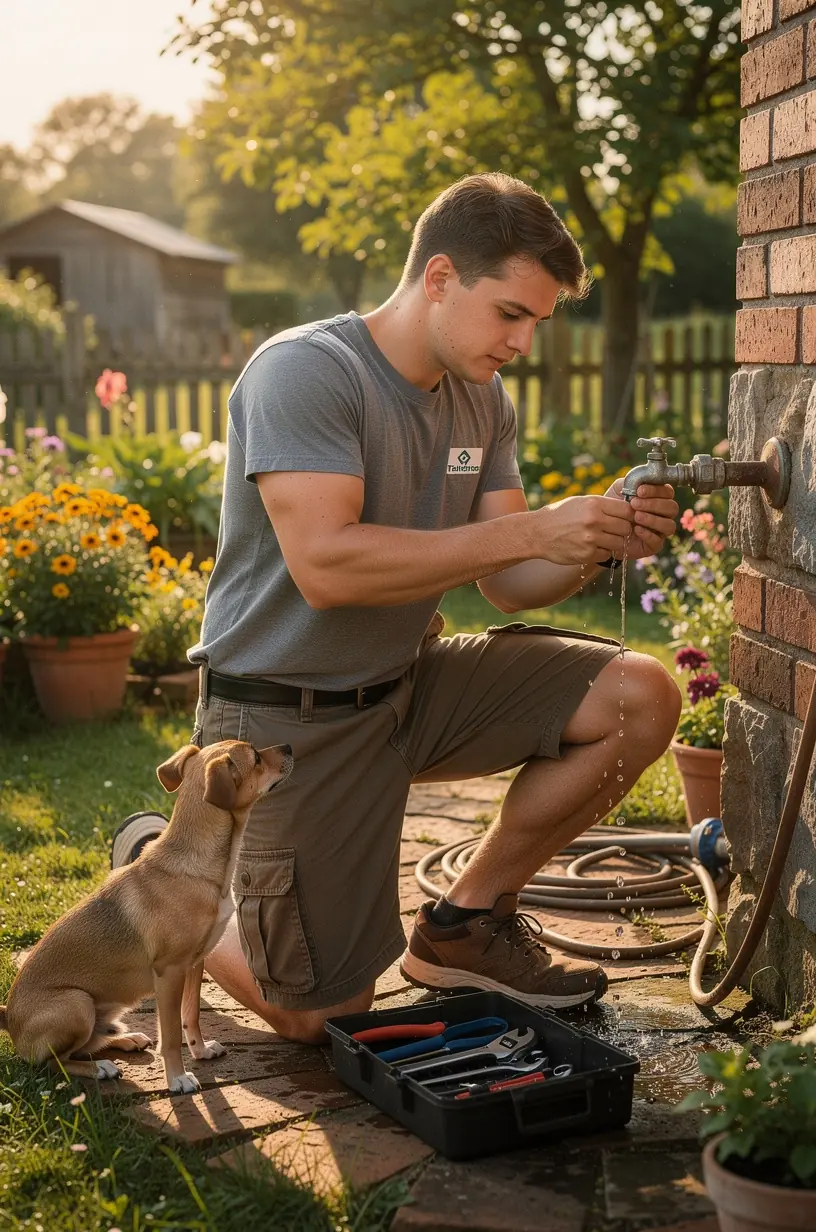
- Disconnect outdoor hoses and drain any remaining water to prevent freezing.
- Seal any cracks or openings in walls, windows, and doors to keep cold air out.
- Let faucets drip slightly during extreme cold to keep water flowing.
Conclusion
Acknowledging the effects of seasonal changes on your plumbing system can save homeowners time and money. By understanding how temperature fluctuations, humidity, and weather patterns impact plumbing, you can take proactive measures to maintain your system's integrity. Regular inspections and timely repairs can significantly reduce the risk of plumbing emergencies, ensuring your home remains comfortable throughout the year.