Understanding the Importance of Drainage Systems
Effective drainage systems are essential for maintaining the hygiene and structural integrity of residential properties. This article explores the significance of these systems, how they function, and the potential impacts of neglecting them.
The Basics of Drainage Systems
Drainage systems are designed to manage the flow of water away from residential properties. According to industry experts, these systems typically consist of gutters, downspouts, and underground drainage pipes that work together to redirect rainwater and wastewater. Properly functioning drainage prevents water accumulation, which can lead to severe structural damage and health risks.

"Neglecting drainage systems can result in costly repairs due to water damage and mold growth." - Home Improvement Research Institute
How Drainage Systems Work
The principle behind effective drainage systems lies in gravity. Water naturally flows downhill, so well-designed drainage systems leverage this by directing water away from the foundation of the home. Research indicates that residential drainage systems are most effective when they are installed at a slight slope, typically around 1-2% gradient, to facilitate proper water flow.
Components of a Drainage System
- Gutters: These channels collect rainwater from the roof and direct it into downspouts.
- Downspouts: Vertical pipes that carry water from the gutters down to the ground or drainage system.
- French Drains: These are perforated pipes buried underground that allow water to be redirected, minimizing surface flooding.
- Channel Drains: Surface drains that capture water in driveways or patios to prevent pooling.
The Consequences of Poor Drainage
Many homeowners often overlook the condition of their drainage systems, leading to various problems. Studies show that poor drainage can result in:
- Foundation Damage: Excess water can seep into the foundation, potentially leading to cracks and instability.
- Mold and Mildew Growth: Damp areas promote the growth of mold, which can pose health risks to residents.
- Landscaping Issues: Plants may suffer from overwatering, and soil erosion can compromise garden areas.
Maintaining Your Drainage System
Regular maintenance of your drainage system is crucial to ensure its effectiveness. Experts recommend the following practices:
- Inspect and clean gutters at least twice a year, especially before heavy rain seasons.
- Check downspouts for clogs and ensure they direct water at least three feet away from the foundation.
- Consider the use of a professional service for complex drainage issues, as they can provide tailored solutions based on the property’s needs.
Conclusion
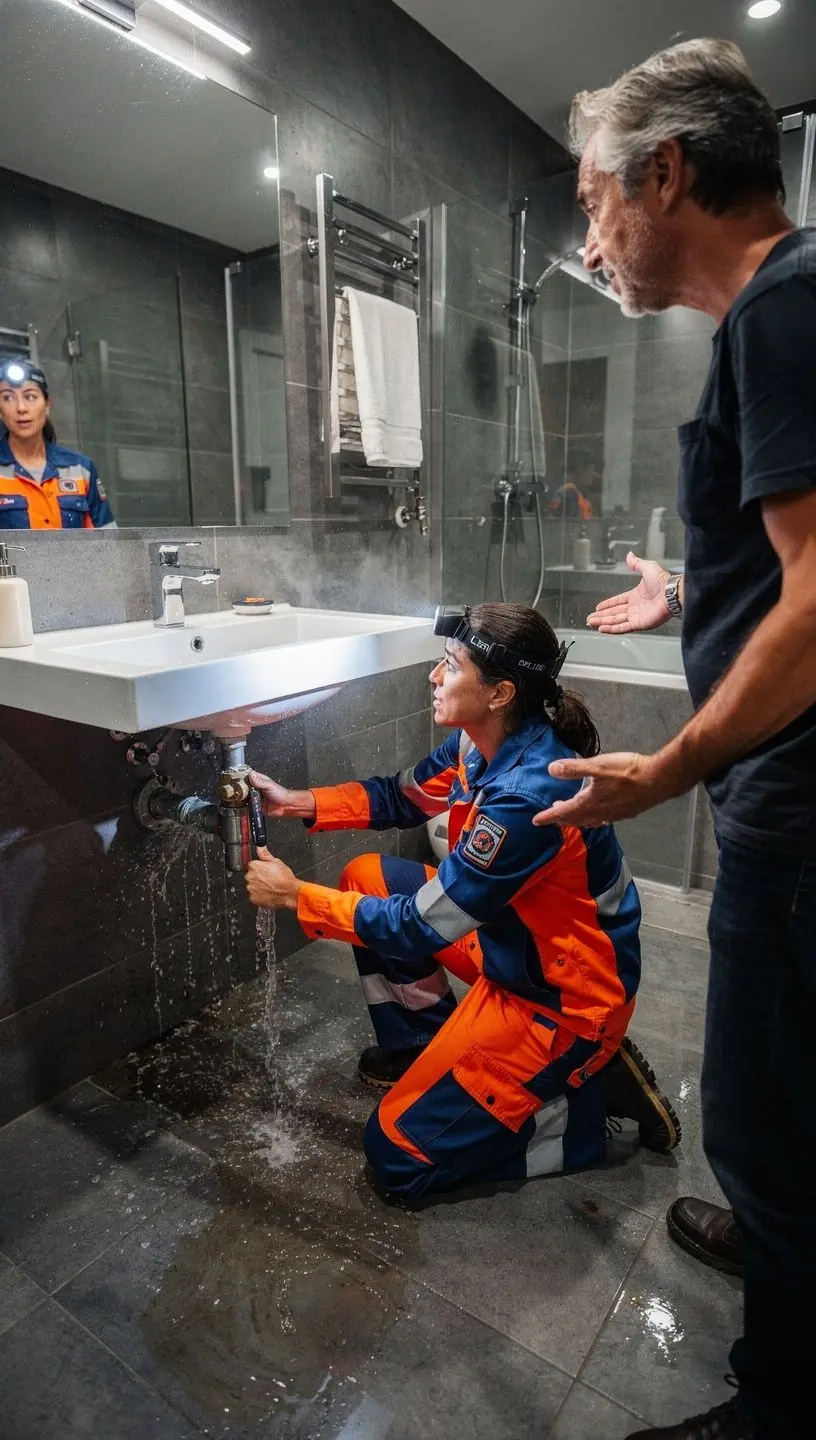
In summary, understanding the importance of drainage systems can save homeowners from significant repair costs and health hazards. Regular inspection and maintenance are recommended to keep these systems functional. If you notice signs of poor drainage, such as pooling water or dampness in the basement, consider reaching out to a professional plumbing service to assess and repair your drainage system effectively.
Learn More