The Basics of Water Pressure Regulation
Water pressure regulation is a crucial aspect of plumbing that ensures a stable and safe water supply in your home. Understanding the fundamentals can help homeowners make informed decisions regarding maintenance and repairs.
Understanding Water Pressure
Water pressure is the force that pushes water through pipes and into your home. This pressure is measured in pounds per square inch (PSI) and varies based on several factors, including the elevation of your home and the distance from the water source. According to the American Water Works Association, residential water pressure should typically range between 40 and 60 PSI for optimal performance.
When the water pressure is too high, it may lead to pipe damage and increased wear on appliances. Conversely, low water pressure can cause inadequate water flow, making daily tasks like showering or washing dishes frustrating. Understanding your home’s water pressure is the first step in maintaining your plumbing system effectively.
How Water Pressure Regulators Work
A water pressure regulator is a device installed in your plumbing system to maintain a consistent water pressure. It works by adjusting the flow of water entering your home, effectively lowering high pressure to a safer level. Experts recommend the installation of a pressure regulator when the incoming pressure exceeds 80 PSI. This is essential to prevent potential damage to pipes, faucets, and appliances.
"Studies show that installing a pressure regulator can prolong the life of plumbing fixtures and appliances by reducing stress on the system."
Signs You May Need a Regulator
- Frequent leaks: If you notice leaks in your pipes or fixtures, it may be due to excessive pressure.
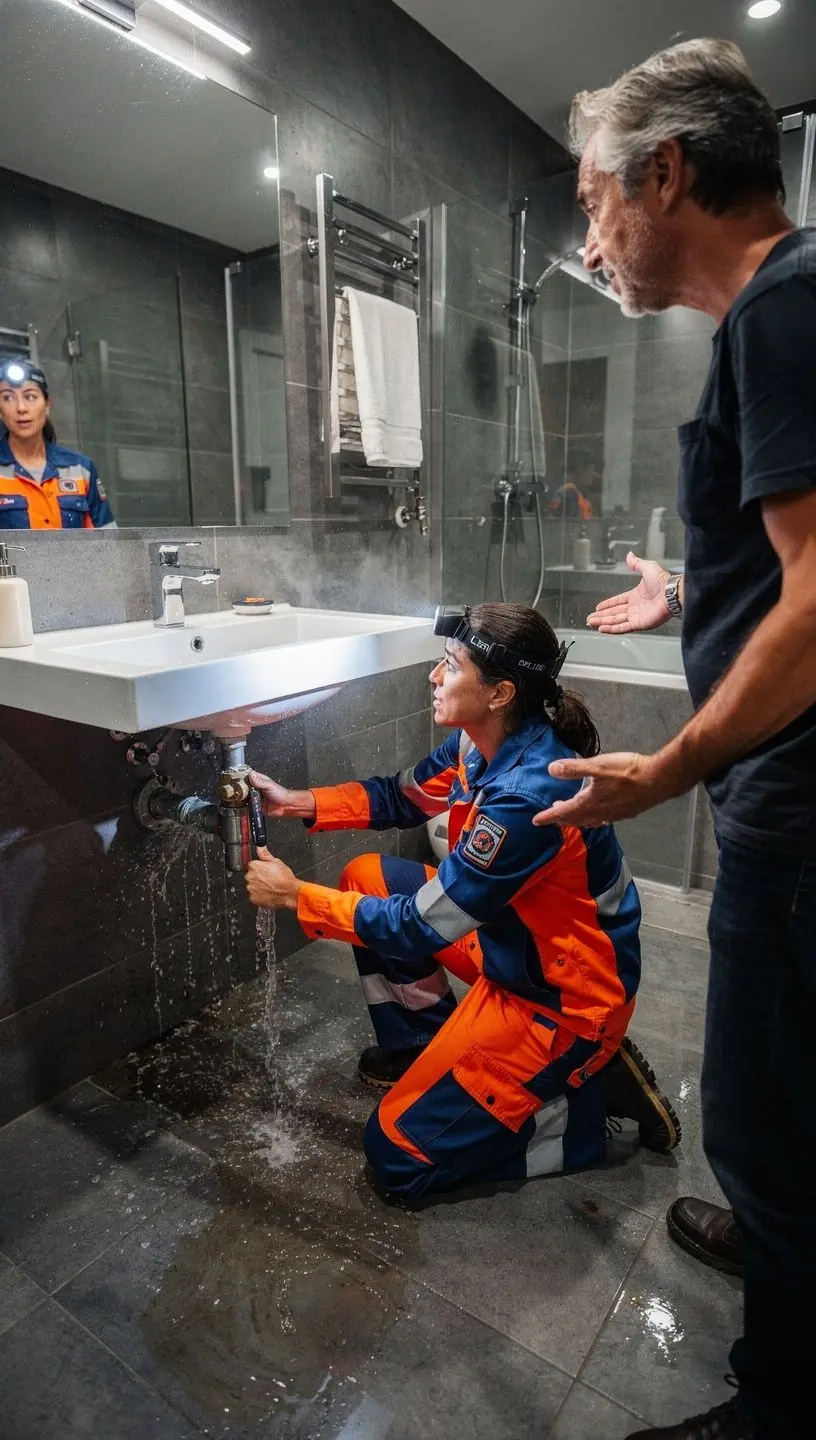
- Water hammer: This phenomenon, characterized by loud banging sounds when you turn off faucets, often indicates high pressure.
- Inconsistent water flow: Fluctuating water pressure can lead to variable flow rates, causing inconvenience during daily activities.
Installing and Maintaining a Pressure Regulator
Installing a water pressure regulator typically involves the following steps:
- Shut off the main water supply to your home to prevent flooding.
- Locate the main water line and determine the best spot for installation, usually close to the water meter.
- Use appropriate tools to install the regulator, ensuring it is positioned in the correct direction for water flow.
- Turn the water supply back on and check for leaks.
Maintenance of the regulator is generally straightforward. It’s advisable to check the pressure settings annually, especially if you notice any changes in your water service. Adjustments can often be made by turning a screw on the device, but this may require some plumbing knowledge.
Conclusion
Understanding water pressure regulation is essential for maintaining a functional plumbing system in your home. By recognizing the signs of pressure issues and knowing how to install and maintain a pressure regulator, homeowners can prevent costly repairs and ensure a consistent water supply. If you're unsure about handling these tasks yourself, it’s wise to consult with a professional plumbing service to ensure everything is functioning properly.
Learn More