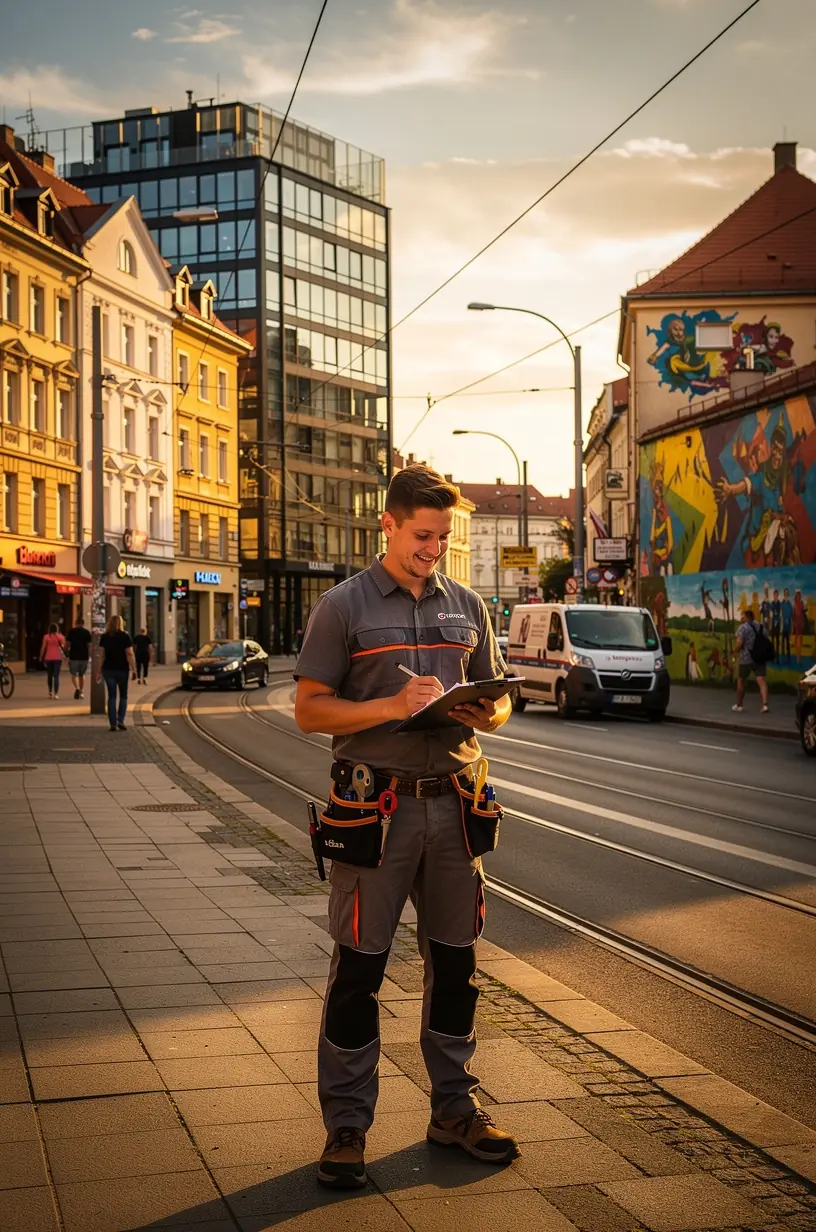
How to Prepare for Plumbing Emergencies
Plumbing emergencies can occur at any time, often leaving homeowners feeling overwhelmed and anxious. Being prepared can significantly reduce the stress and damage associated with such incidents.
Understanding Common Plumbing Emergencies
According to industry experts, the most common plumbing emergencies typically include burst pipes, overflowing toilets, and severe leaks. Recognizing these issues and understanding their potential impact is essential for effective emergency management.
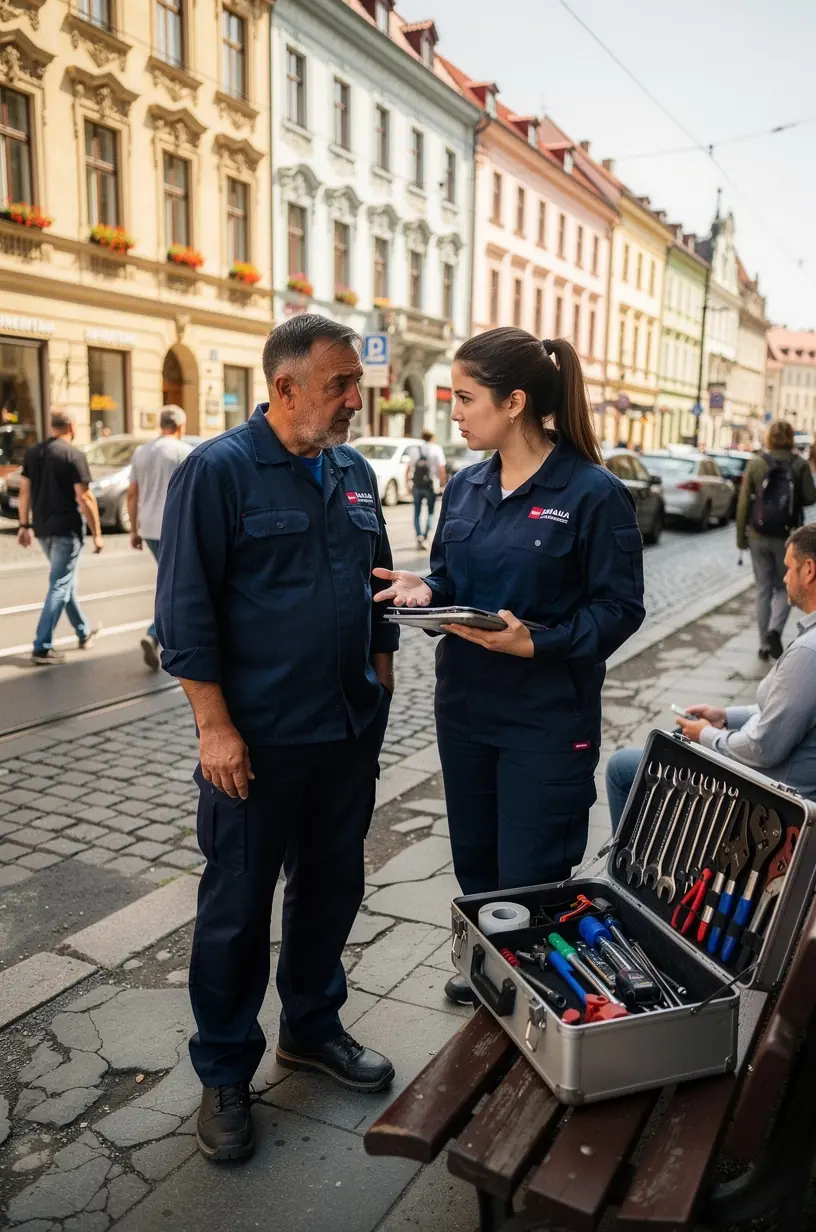
"Being proactive about plumbing issues can save homeowners both time and money in the long run." - Plumbing Industry Expert
Practical Steps to Prepare
- Know Your Shut-Off Valves: Familiarize yourself with the location of your main water shut-off valve. In most cases, this can stop water flow quickly during a leak or burst pipe scenario. Experts suggest regularly testing the valve to ensure it works properly.
- Keep Necessary Tools Handy: Basic plumbing tools such as a wrench, plunger, and pipe tape can often resolve minor issues before they escalate. This may require a small investment in maintenance supplies.
- Establish a Contact List: Having the contact information of a reliable plumbing service readily available can make a significant difference. According to studies, many homeowners report feeling more secure knowing they have a professional to turn to during emergencies.
Creating an Emergency Plan
Experts recommend developing a clear emergency plan that includes steps you will take in case of a plumbing issue. This plan might involve the following:
- Shutting off water supply immediately.
- Identifying the type of emergency and assessing damage.
- Contacting a licensed plumber and providing them with necessary information.
Having a straightforward plan can help homeowners respond quickly and effectively, minimizing damage to their property.
Educate Your Household
It's crucial that all household members are aware of what to do in the case of a plumbing emergency. This includes understanding where the shut-off valves are located and how to use basic plumbing tools. Research shows that education can reduce panic and improve response times during emergencies.
Conclusion
While plumbing emergencies are often unavoidable, being prepared can alleviate much of the associated stress and damage. By understanding common issues, keeping essential tools on hand, and establishing a clear emergency plan, homeowners can effectively mitigate the impact of unexpected plumbing problems. Remember, taking these proactive steps not only protects your home but also provides peace of mind.